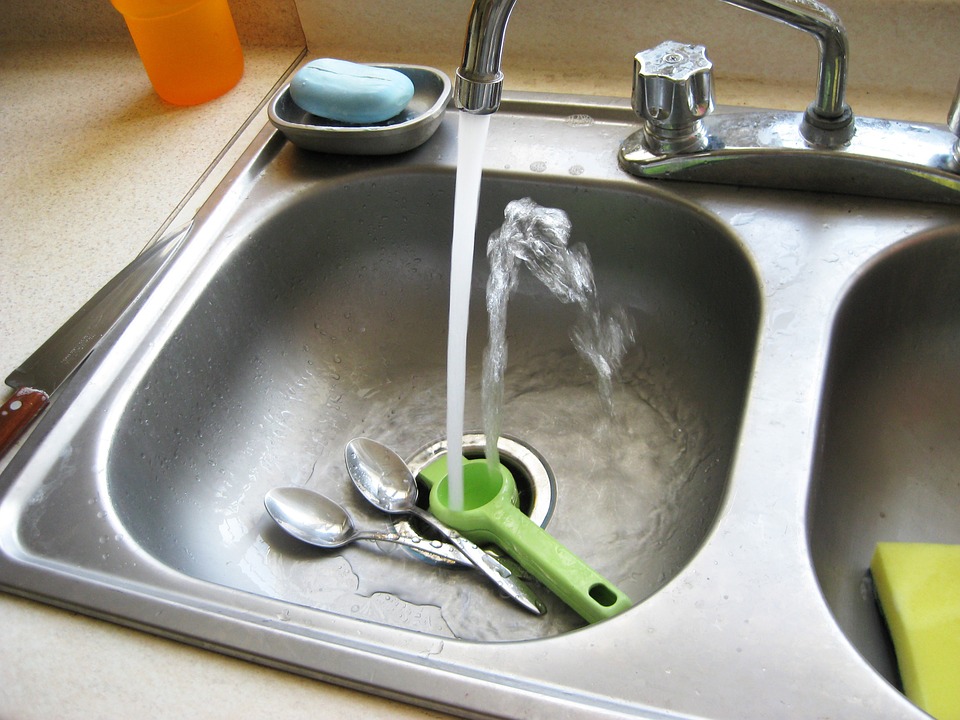
Figuring out what an awful smell in the kitchen is can be annoying. Have you checked the garbage disposal or the kitchen trash lately? It might surprise you that the smell could be coming from the kitchen sink.
Clean Your Kitchen Sink Regularly
People usually think about sink usage for washing dishes or cleaning up food messes as well as managing food prep. However, is it safe to ask when the last cleaning was done? It is common to forget that sink cleaning is a weekly requirement.
The kitchen sink is an ideal breeding ground for bacteria such as E. coli, salmonella, and Staphylococcus aureus that can easily transfer to hands and food, according to WebMD. That is enough reason to want to avoid getting sick from not cleaning the kitchen sink that bacteria is present. Therefore you should be cleaning the kitchen sink after every use.
Cleaning your kitchen sink doesn’t need to be a daunting task, it’s quite simple to learn actually. The first step is to remove anything that may be inside the sink, as well as any food debris. It is also a good time to prepare your supplies.
Checklist of Supplies:
- Antibacterial dish soap
- Scrub Brush
- Baking Soda
- Vinegar
- Microfiber Cloth
Cleaning Porcelain and Stainless Steel Sinks
You will want to start by completely wetting your sink with warm water and add baking soda to cover the bottom of the sink. You will want to incorporate the baking soda with the water to form a paste. Baking Soda will help draw out food stains and clean the residue and scum.
You can now repeat the same method to clean the caulk around the edge of the sink, as well as the caulk around and behind the faucet.
You will also want to clean the drain flaps and the drain. (This may get a little messy, so be sure to do this part first) You will need to rinse your scrub brush often and also add more baking soda as you need it.
You will want to rinse the sink with warm water. You are now ready to clean with vinegar and/or your antibacterial soap. After applying either of those and scrubbing the sink, you will want to let it sit for 10-15 minutes before rinsing with your water. When that is done, take your microfiber cloth and clean the sink.
Copper Sinks
A copper kitchen sink offers some unique cleaning challenges because you will want to avoid acidic cleaners and other harsh chemicals. Bleach, vinegar, and lemon juice will all damage a copper sink. A traditional method of sink cleaning will also work for a copper sink. Use antibacterial dish soap to clean the sink, dry it with a microfiber towel, and spray it with disinfectant.
Stone Sinks
Stone kitchen sinks also attract many of the same cleaners you want to avoid for copper sinks. Stone sinks, particularly stone-composite sinks, are porous. They may absorb any of the harsh chemicals you would want to avoid using. Stone sinks can use the same cleaning method as copper sinks. Use antibacterial dish soap and warm water, and dry the sink with a microfiber cloth.
Cleaning Services
If you want help keeping your sink clean, let us know! Our professional cleaners can handle the hard work while you enjoy a sparkling clean sink.