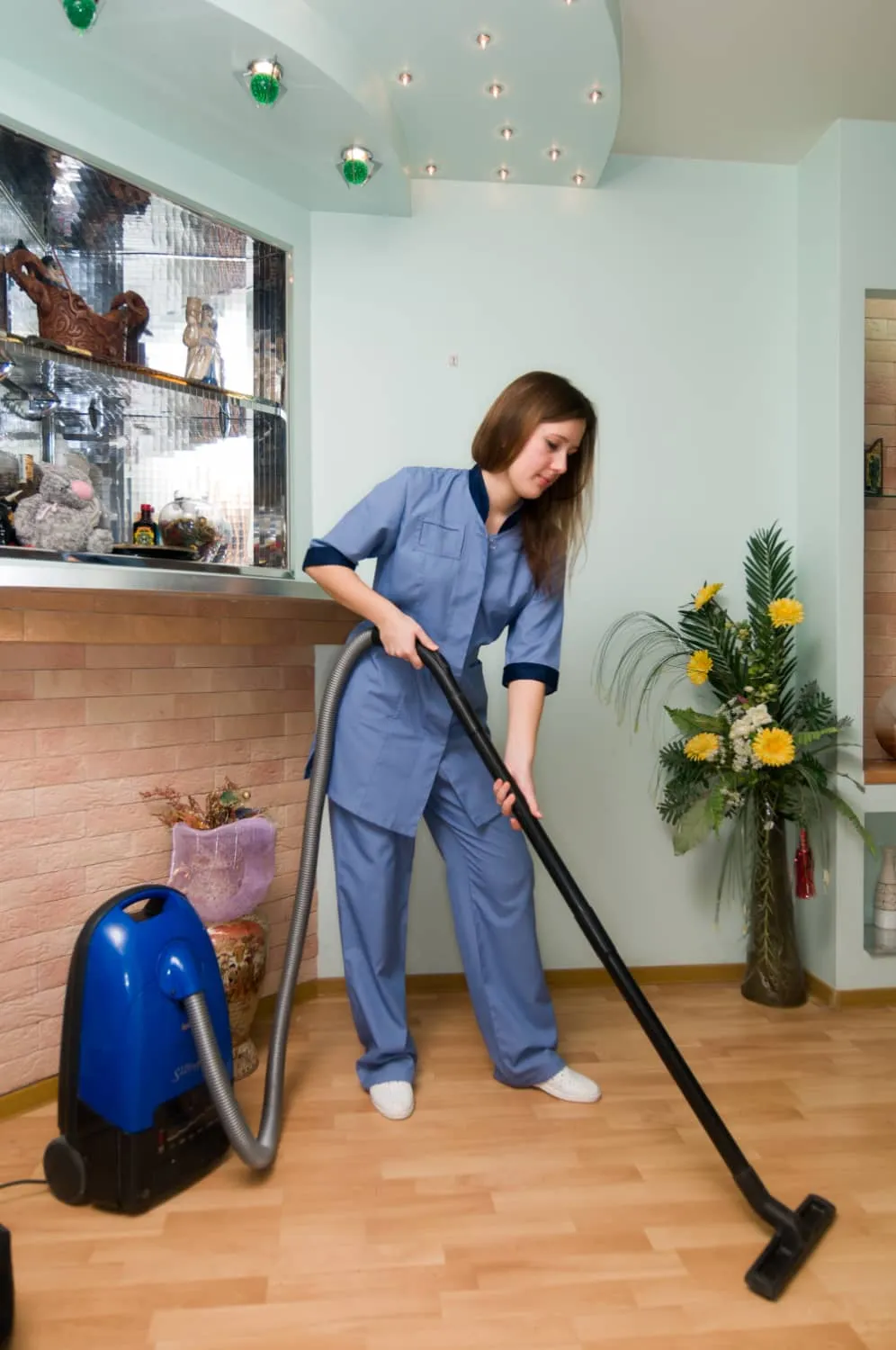
Just finished a home renovation? First off, congrats. It feels great to finally see everything come together.
And then you start noticing it.
A thin layer of white dust on everything.
Counters, floors, baseboards, inside cabinets, even areas you didn’t expect. If you’re trying to figure out how to remove drywall dust after renovation, you’re not alone.
Here’s the truth: drywall dust isn’t like regular dust. It spreads quickly, sticks to surfaces, and keeps coming back if it’s not cleaned the right way.
Let’s break down what’s happening and how to actually get rid of it for good.
Why Drywall Dust Gets Everywhere
Drywall dust is extremely fine, almost like powder. When it’s created during sanding or cutting, it doesn’t just drop to the floor. It floats.
Once it’s in the air, it spreads fast.
In most Southern California homes, especially with open layouts and central AC, it can easily move through:
- Air vents and HVAC systems
- Hallways and doorways
- Small gaps around doors and windows
Even if the work area was sealed off, dust still finds a way out. That’s why you’ll often see it in rooms that had nothing to do with the renovation.
Why Your Regular Vacuum Isn’t Enough
A lot of homeowners grab a regular vacuum and start cleaning, only to feel like it’s not helping.
That’s because most household vacuums aren’t built for ultra-fine particles like drywall dust. Instead of trapping it, they often blow it right back out into the air.
So while it looks like you’re cleaning, the dust is just moving around your home.
In some cases, it can even clog your vacuum or wear it out faster.
If you want to actually get rid of it, you need the right tools, not just more effort.
Why HEPA Filtration Matters
This is where HEPA filtration makes a big difference.
HEPA filters are designed to capture extremely small particles, including drywall dust that regular vacuums miss.
You’ll typically find HEPA filters in:
- Professional-grade vacuums
- Air scrubbers that clean the air
That matters because drywall dust doesn’t just sit on surfaces, it hangs in the air and settles back down later.
So if you’re not cleaning the air, you’re not fully solving the problem.
The Air Quality Issue Most People Miss
Most people focus on the visible mess, but the bigger issue is what you can’t see.
Drywall dust can affect your indoor air quality, especially in Southern California homes where the AC runs most of the day.
Breathing it in can:
- Irritate your eyes and skin
- Cause coughing or throat discomfort
- Trigger allergies or asthma
If it’s not properly removed, dust keeps circulating through your home every time your HVAC system runs.
That’s why many homeowners choose post renovation cleaning services, not just for a cleaner home, but for a healthier one.
How to Remove Drywall Dust After Renovation
If you’re planning to clean it yourself, here’s a simple way to do it right:
1. Let Fresh Air In
Open windows and doors to help push dust out of your home and improve airflow.
2. Start with a HEPA Vacuum
Use a HEPA vacuum on walls, ceilings, and floors. Work from top to bottom so dust doesn’t settle on areas you’ve already cleaned.
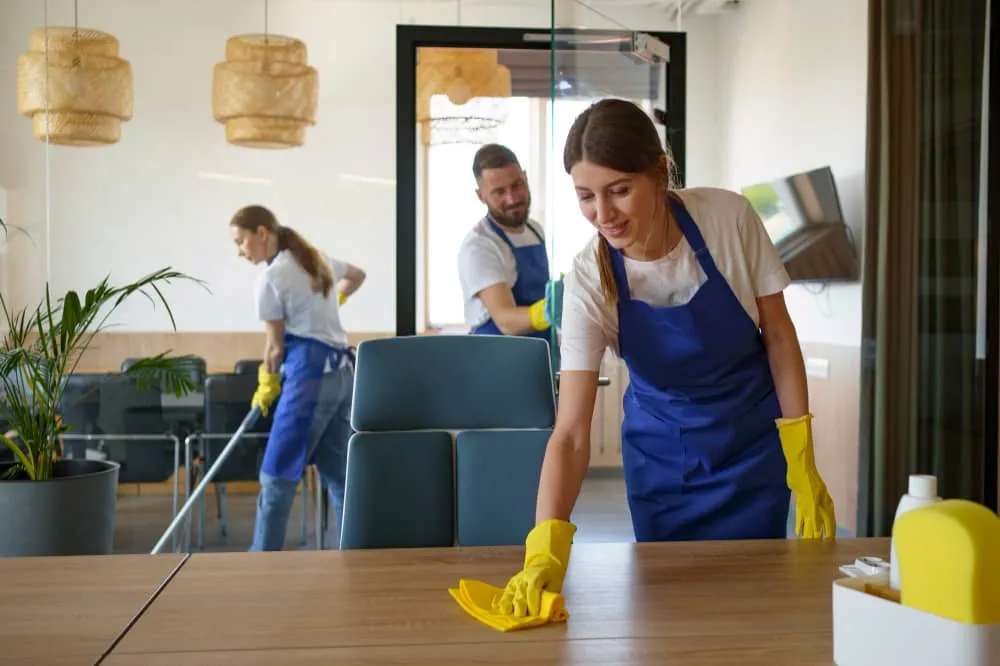
3. Wipe Everything Down
Use slightly damp microfiber cloths to wipe surfaces. This helps trap dust instead of spreading it around.
4. Don’t Skip the Hidden Spots
This is where a lot of dust gets missed. Be sure to clean:
- Baseboards
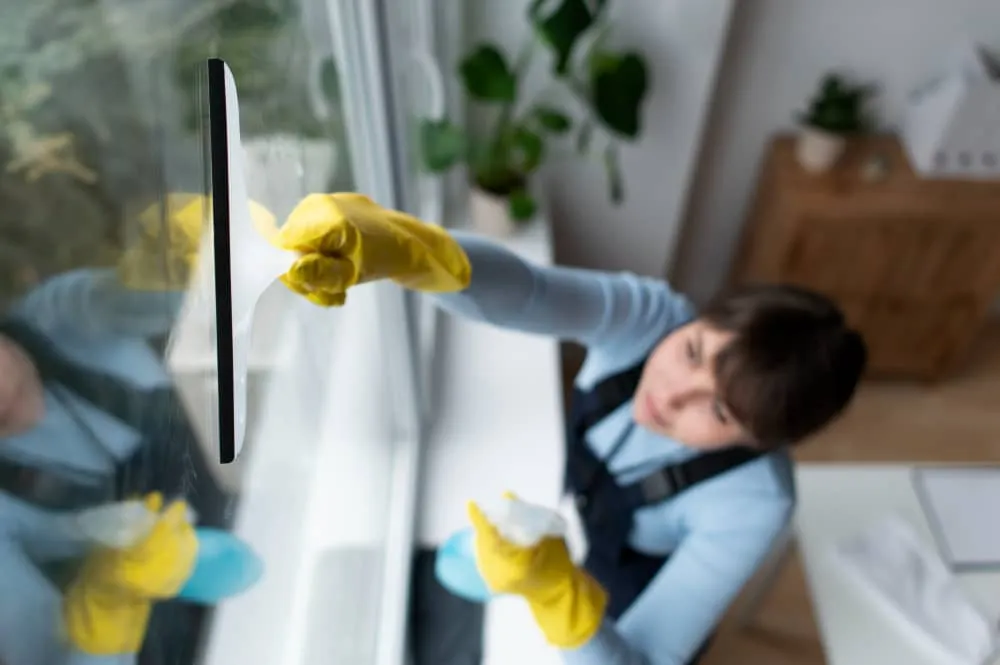
- Window sills
- Light fixtures
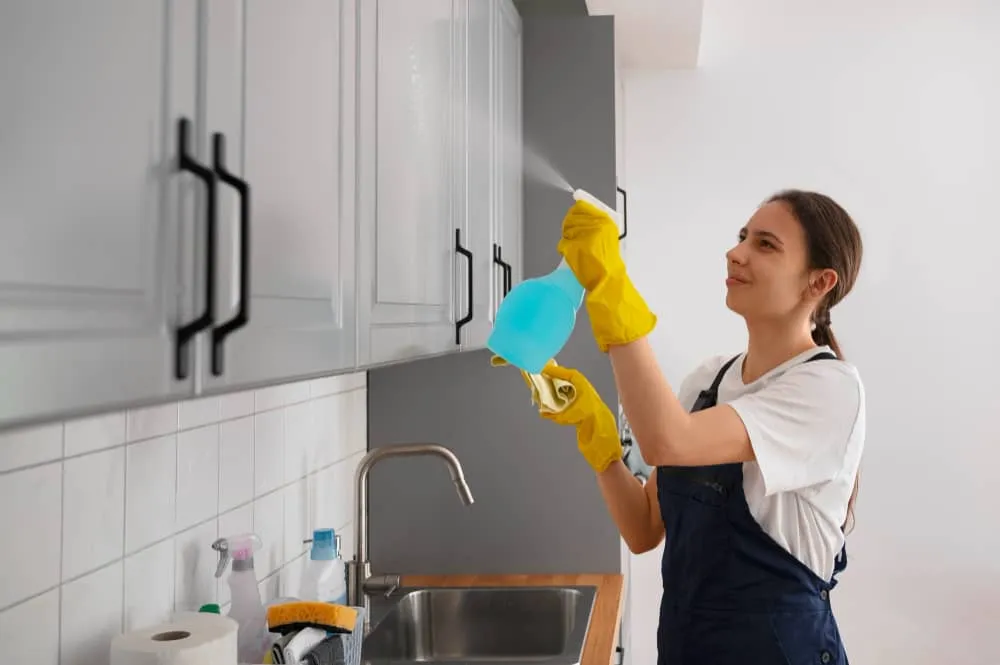
- Cabinet interiors
- Air vents
5. Replace Your HVAC Filter
Your system likely pulled in a lot of dust during the renovation. Replacing the filter helps keep it from circulating again.
6. You May Need to Repeat the Process
Drywall dust is stubborn. Even after a deep clean, some of it may settle again, so it’s normal to go over things more than once.
Why DIY Cleaning Doesn’t Always Work
Even when you’re thorough, drywall dust can still stick around.
It settles into:
- Carpets and rugs
- Upholstery
- Air ducts
- Tight corners and edges
Without professional equipment, it’s tough to remove every last bit, especially the particles still in the air.
That’s why many homeowners clean multiple times and still feel like the dust keeps coming back.
The Easier Option, Professional Dust Removal
If you want it done right without spending days on it, bringing in professionals is usually the best move.
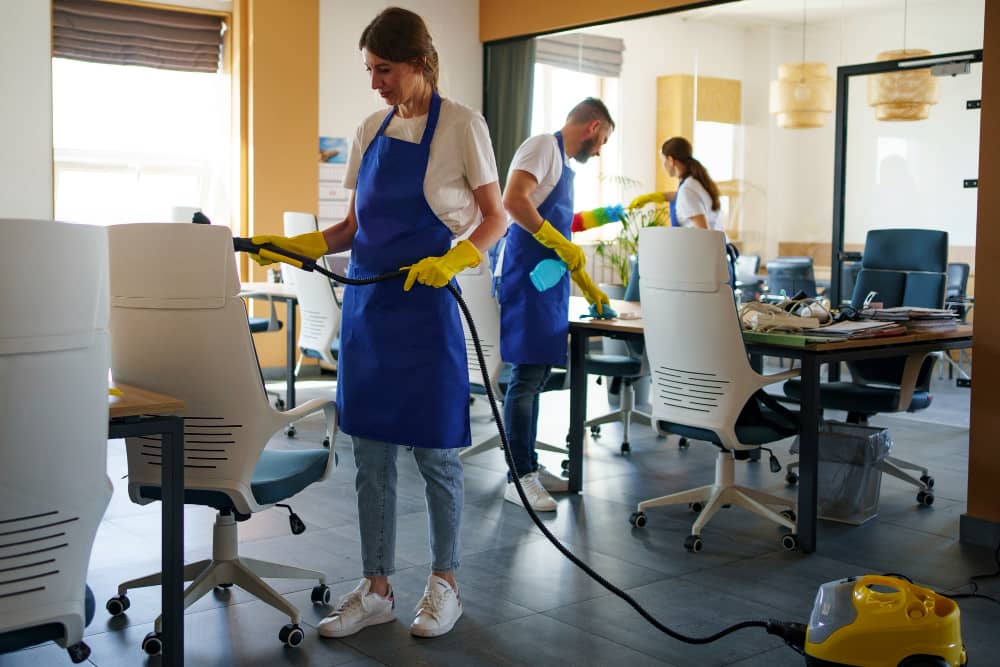
Professional construction dust cleaning and post renovation cleaning services use:
- Industrial HEPA vacuums
- Air scrubbers to clean indoor air
- Detailed cleaning for vents, ducts, and hard-to-reach areas
- Multi-step processes that help prevent dust from coming back
They handle both the dust you can see and the stuff you can’t.
The result? A home that actually feels clean, not just looks clean.
Final Thoughts
Drywall dust is one of the most frustrating parts of any renovation. It spreads easily, lingers in the air, and takes more effort to clean than most people expect.
While DIY cleaning can help, getting your home completely dust-free usually takes the right tools and a more thorough approach.
If you want to fully remove drywall dust after renovation and avoid cleaning the same spots over and over, bringing in a professional team is usually the easiest way to get it done right. Green frog cleaning is providing best services in San Diego.
FAQs
How long does it take to remove drywall dust after renovation?
It depends on how much dust was created and the size of your home. Smaller projects may take a full day, while larger spaces can take a few days. Professional post renovation cleaning services can usually get it done much faster.
Is drywall dust dangerous to breathe in?
It can be, yes. Drywall dust may irritate your lungs, eyes, and skin, and it can make allergies or asthma worse. Proper construction dust cleaning helps improve indoor air quality.
Why does dust keep coming back after cleaning?
Because drywall dust is so fine, it can stay in the air and settle again later. Without HEPA filtration, it’s hard to fully remove drywall dust after renovation, which is why it keeps returning.
Do I really need a HEPA vacuum?
Yes. A HEPA vacuum is designed to trap very fine particles, unlike standard vacuums that may blow dust back into the air.
Should I hire professionals for drywall dust cleanup?
If you want a deep, long-lasting clean, it’s worth it. Professional post renovation cleaning services use the right tools to remove both surface dust and airborne particles, saving you time and effort.