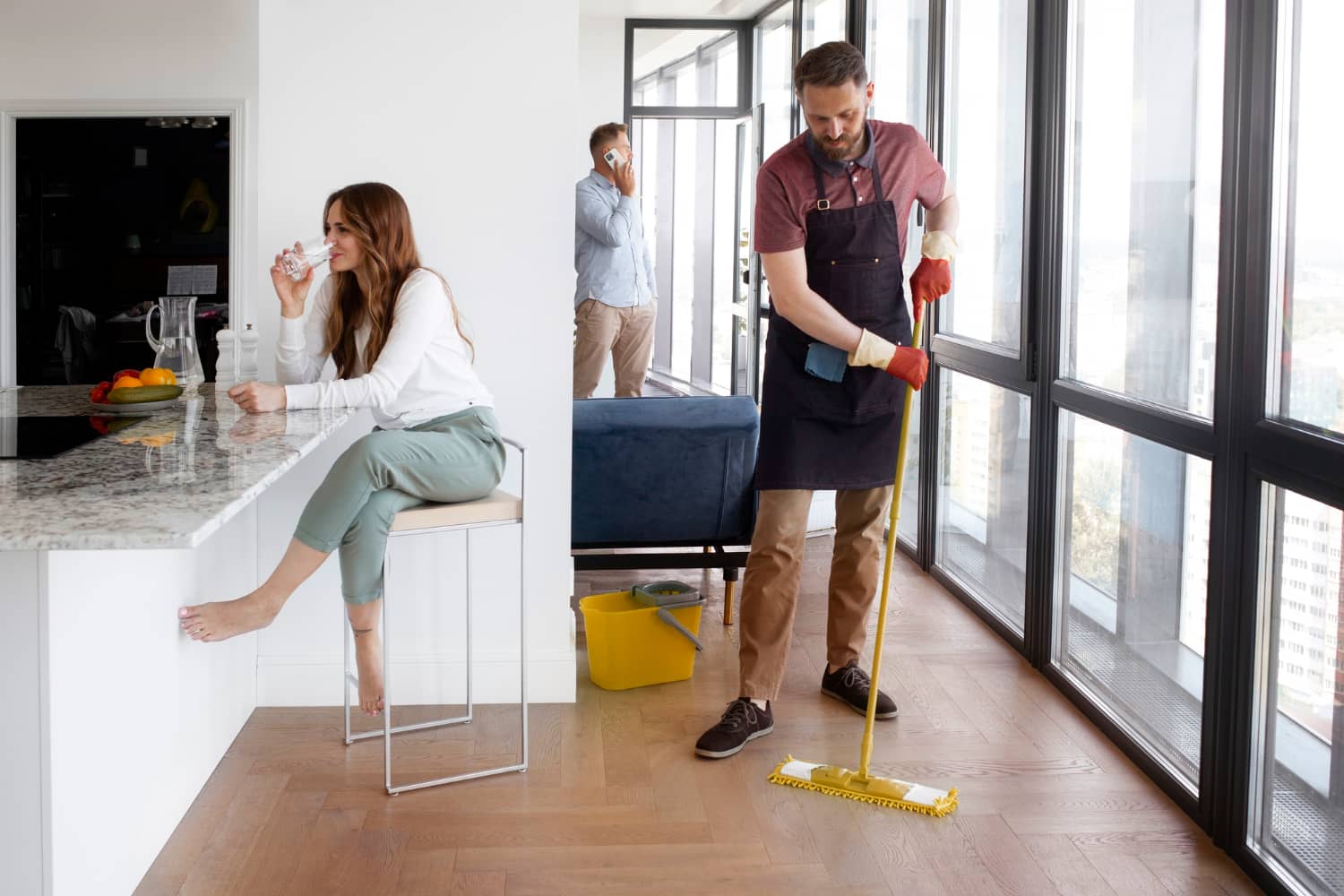
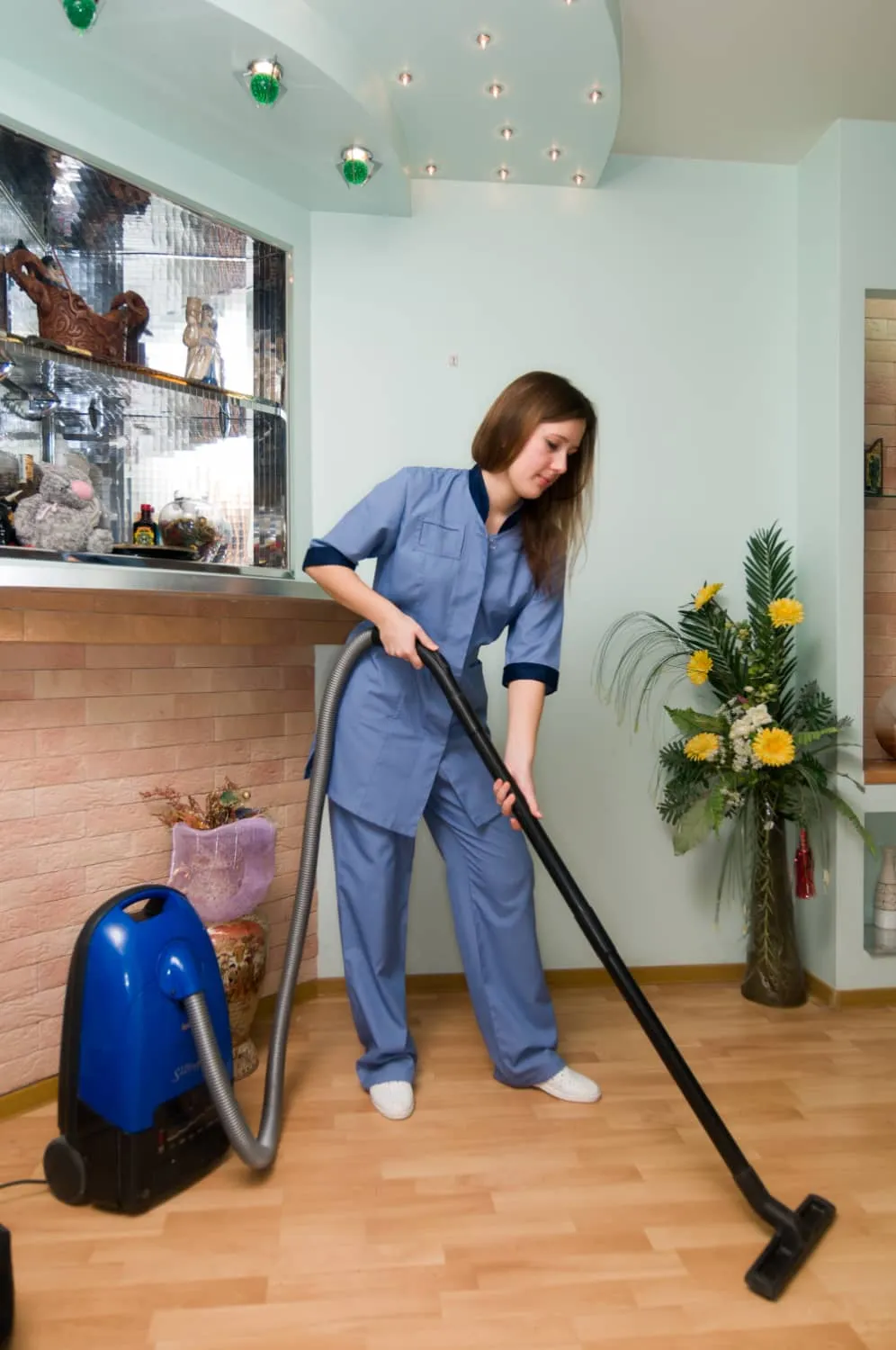
Did you finish a home reno project? It is amazing to see everything come together again. Then reality sinks in. Thin layers of white dust cover everything. This includes counters, floors, baseboards, and even the insides of cabinets (and likely more). Many are wondering how to get rid of drywall dust after renovations, and for good reason. This is not the same as plain old dust. It is sticky, spreads, and is hard to get rid of for good. Let’s examine the drywall dust situation and see how to eliminate it once and for all.
Why it is Hard to Avoid Drywall Dust
Drywall dust is very fine and dusty. When you are cutting or sanding drywall, this dust does not just drop to the ground. It gets airborne and spreads incredibly easily. This is especially true for a lot of Southern California homes that have open layouts and a central heating and cooling system. Drywall dust easily spreads through your home’s:
- HVAC system and air vents
- Hallways and doorways
- Small gaps and cracks around your windows and doors
Because dust also gets airborne, it will find a way to escape even if your work area is sealed off. This is why you will find drywall dust in rooms that were not a part of the renovation.
Why Your Home Vacuum is Not the Answer
Many homeowners will attempt to eliminate the dust using a vacuum. Sadly, this only seems to make things worse. Household vacuum systems are not equipped to handle really fine dust particles. Instead, most of these vacuums will kick dust back out into the atmosphere.
If you think your cleaning is effective, think again. All you are doing is spreading dust across your home.
Dust can even clog your vacuum.
The right tools help you get rid of dust faster and easier, instead of just doing tedious vacuum sessions.
You should compare commercial and residential services as well.
Why Use A HEPA Vacuum
Standard vacuum bags can’t collect small specks of dust and other particles. HEPA filters can!
Commercial vacuums and air scrubbers utilize HEPA filters.
Air scrubbers are important because dust doesn’t just rest on surfaces. While you are dusting, the rest of the airborne dust will settle down on the surfaces you just “cleaned”.
The Air Quality Issue Most People Miss
You can see dust. The larger issue is the dust you can’t see.
This is especially important to consider in Southern California where the AC has to be on constantly.
Dust suspended in the air will irritate your skin and will cause a nasty cough.
Dust will contaminate your air the most when it is circulated by your HVAC system.
Post renovation cleaning services will help restore your home to being clean, but more importantly, it will restore your home to a safe and healthy environment.
How to Remove Drywall Dust After Renovations
Cleaning up after renovations can be a headache. But cleaning it up the right way shouldn’t be hard. You just need the right method.
1. Increase Airflow
Open windows and doors to air out your home and push dust out.
2. Use a HEPA Vacuum
For walls, ceilings and flooring, try a HEPA vacuum. Dust can settle, so work from top to bottom.
3. Use Damp Microfiber Cloths
Dust and dirt can be airborne when you wipe. Using a damp microfiber cloth can trap dust.
4. Clean the Corners
Baseboards, window sills, light fixtures, cabinet interiors and air vents are often forgotten.
5. Replace HVAC Systems’ Filters
Replacing filters will help prevent dust from circulating.
6. You Might Clean More than Once
Dust settles and can be cleaned. It’s stubborn.
Why DIY Cleaning Doesn’t Always Work
Drywall dust can be stubborn and resistant to removal. Dust gathers in upholstery, air vents, along edges and in corners. Particles remain in the air, and without professional help, can’t be removed.
Cleaning can seem pointless when dust is still settling.
The Easier Option, Professional Dust Removal
If you need to do something quickly, and you need it done right, hiring professionals is usually the best move.
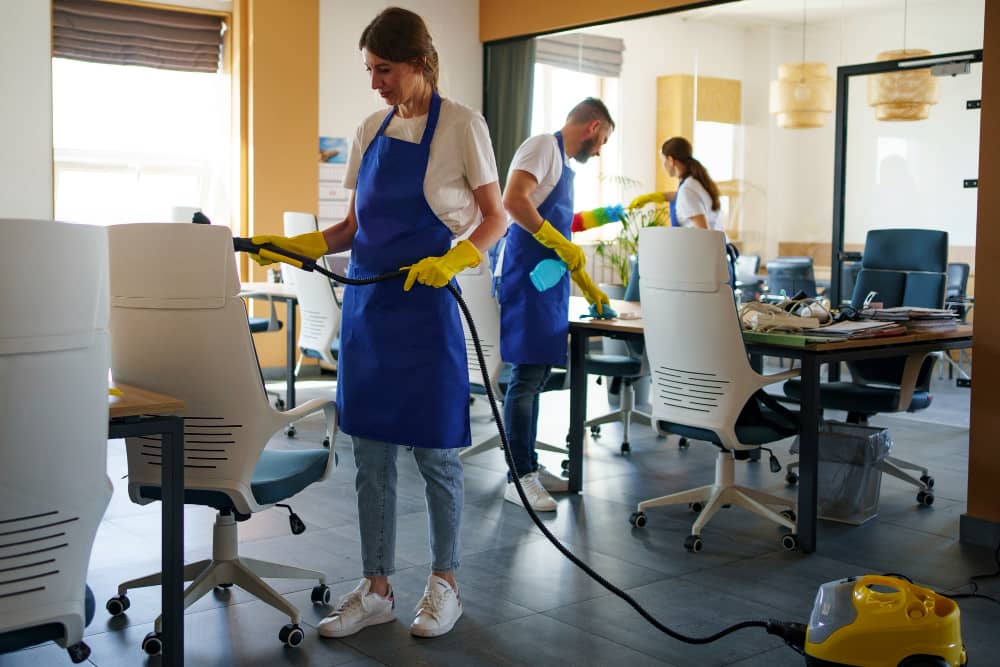
Dust and post renovation professional cleaners use:
- Industrial HEPA vacuums
- Air scrubbers to clean the air
- Thorough cleaning for vents, ducts, and other hard spots to clean
- Steps and processes that help keep the dust from coming back
They focus on cleaning both the visible and the invisible dust.
The result is that your home actually is clean and not just clean looking.
Conclusion
Drywall dust is one of the most annoying and frustrating things during a renovation. It spreads easily and stays in the air, plus it is very difficult to clean.
There is an easier and more effective way to get your house totally dust free other than cleaning the house yourself over and over, and that is hiring professional clean up services.
Green Frog Cleaning offers the best cleaning services in San Diego.
FAQs
How long does the dust removal process take?
It depends on how much dust was created and how big your home is. Usually, for smaller projects it can take a full day, while larger projects can take up to a few days. It is usually much faster to hire cleaning services that do post renovation cleaning.
Is breathing in drywall dust harmful?
Yes, because drywall dust can cause lung, skin, and eye irritation and can even trigger allergies and asthma. Dust cleaning services can help improve air quality in the home.
Why does dust settle even after cleaning?
Drywall dust is very fine and can float in the air and land on surfaces again. Dust from drywall can be very hard to remove completely and can settle again.
Should I purchase a HEPA vacuum?
Yes, because a HEPA vacuum is much better at containing fine dust particles as opposed to a traditional vacuum, which can send the dust right back to the air.
Do vacuuming and cleaning methods really help remove drywall dust?
A vacuum and cleaning methods can help remove dust, but they are not very effective. In order to achieve a really effective clean that lasts, it is better to hire a professional cleaning service.